The Novartis U.S. Foundation and Novartis founded Beacon of Hope (BOH) in 2021 as a 10-year partnership with Historically Black Colleges and Universities (HBCUs) aiming to advance effective, measurable solutions reducing barriers to accessing healthcare innovation and reimagining healthcare workforce pathways.
As part of this effort, the Novartis U.S. Foundation is supporting three Historically Black Medical Schools, focusing efforts on advancing representative clinical trials and validating data and AI approaches within their patient populations.



Over the past five years, Beacon of Hope has strengthened the capacity of Historically Black Medical Schools to conduct rigorous, community-centered clinical research. Through deep partnerships with HBCUs and industry leaders, the program is expanding access to medical innovation while building more inclusive pathways into the healthcare research workforce.
To build the CAPACITY of the Historically Black Medical Schools to become trusted providers of rigorous clinical trials
To increase ACCESS to medical innovation by establishing Historically Black Medical Schools as the connector between medical innovation and the communities they serve
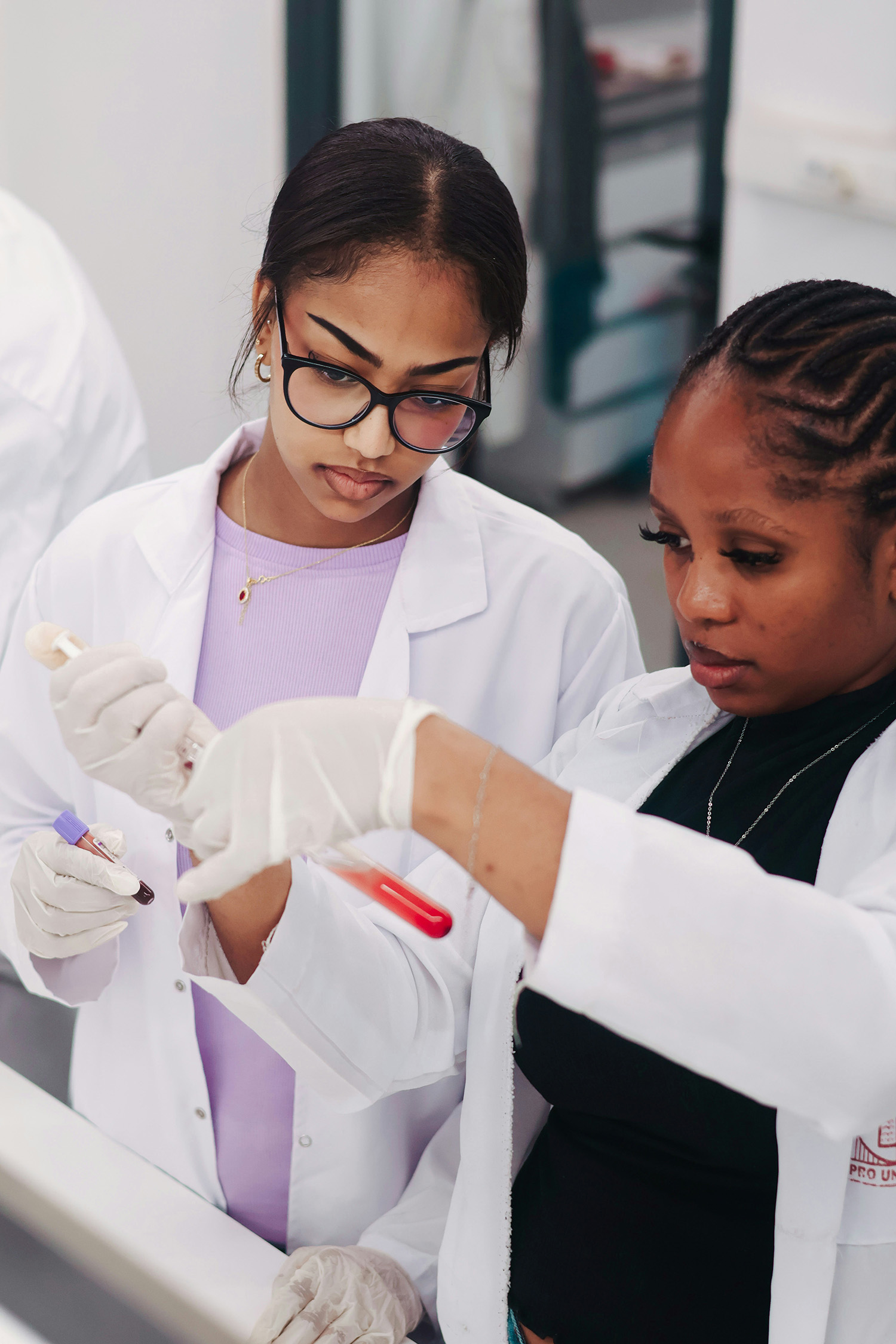
To develop new WORKFORCE pathways that train clinical and digital health research professionals